


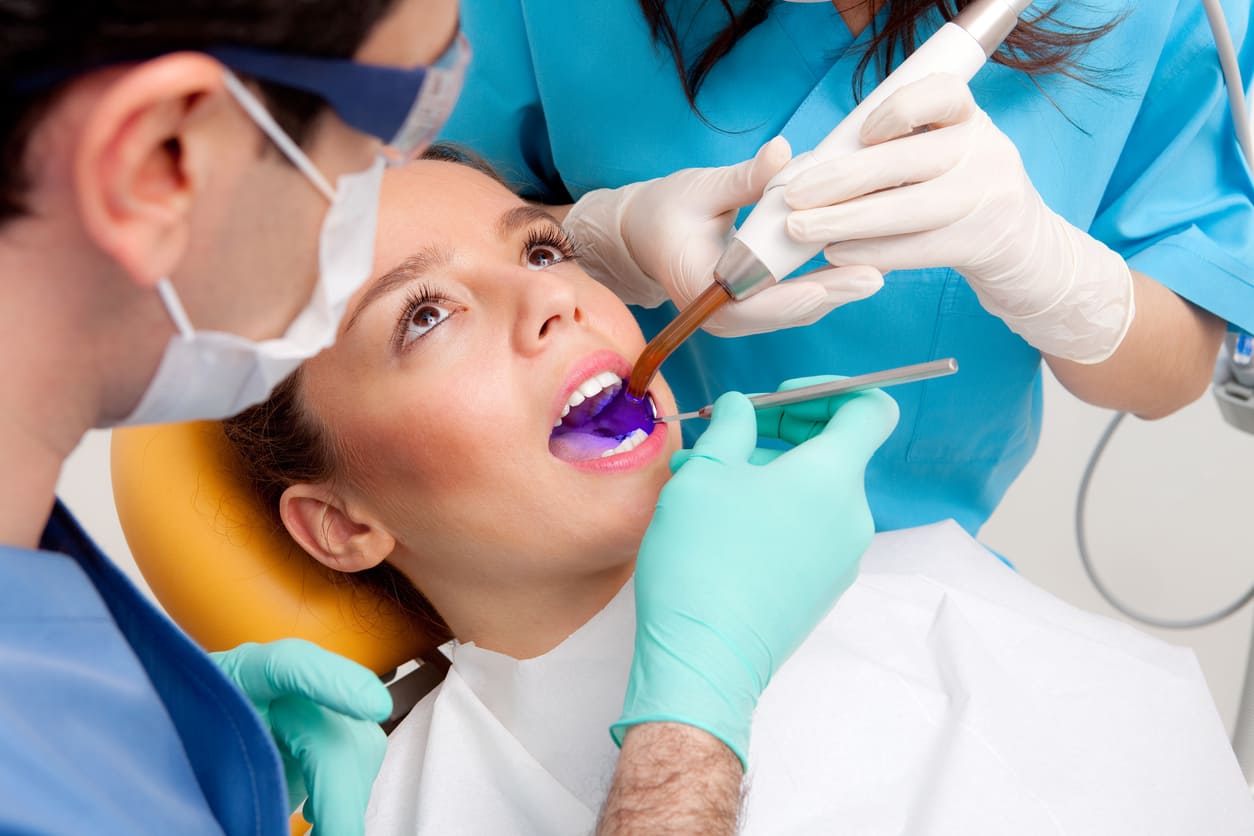
For many people, visiting the dentist can be an anxiety-inducing experience. The thought of instruments like drills and scalpels, and the possibility of discomfort, can be enough to make some avoid necessary treatment altogether. However, with the advancements in technology, there is now a gentler and more precise way to achieve optimal oral health. This is where laser dentistry comes into play – a revolutionary technology that is transforming the dental experience for both patients and dentists.
The use of laser dentistry involves concentrated beams of light to perform a wide range of procedures, offering significant advantages over traditional methods. From reducing discomfort and promoting faster healing to improving precision and minimising anxiety, laser dentistry is paving the way for a more comfortable and effective approach to dental care. Let’s delve deeper and explore the numerous benefits that laser dentistry has to offer.
Laser dentistry is revolutionising the dental landscape, offering a more precise, potentially less invasive, and often more comfortable experience for patients. But what exactly is it, and how does it work?
Unpacking the Science: Light Amplification by Stimulated Emission of Radiation (LASER)
LASER stands for Light Amplification by Stimulated Emission of Radiation. In simpler terms, a laser device generates a highly focused and intense beam of light. This light is characterised by a single, specific wavelength, meaning all the light waves are essentially in sync. Unlike the broad spectrum of light emitted from a light bulb, a laser’s light is concentrated and precise.
From Physics to Dentistry: How Lasers Work in Oral Care
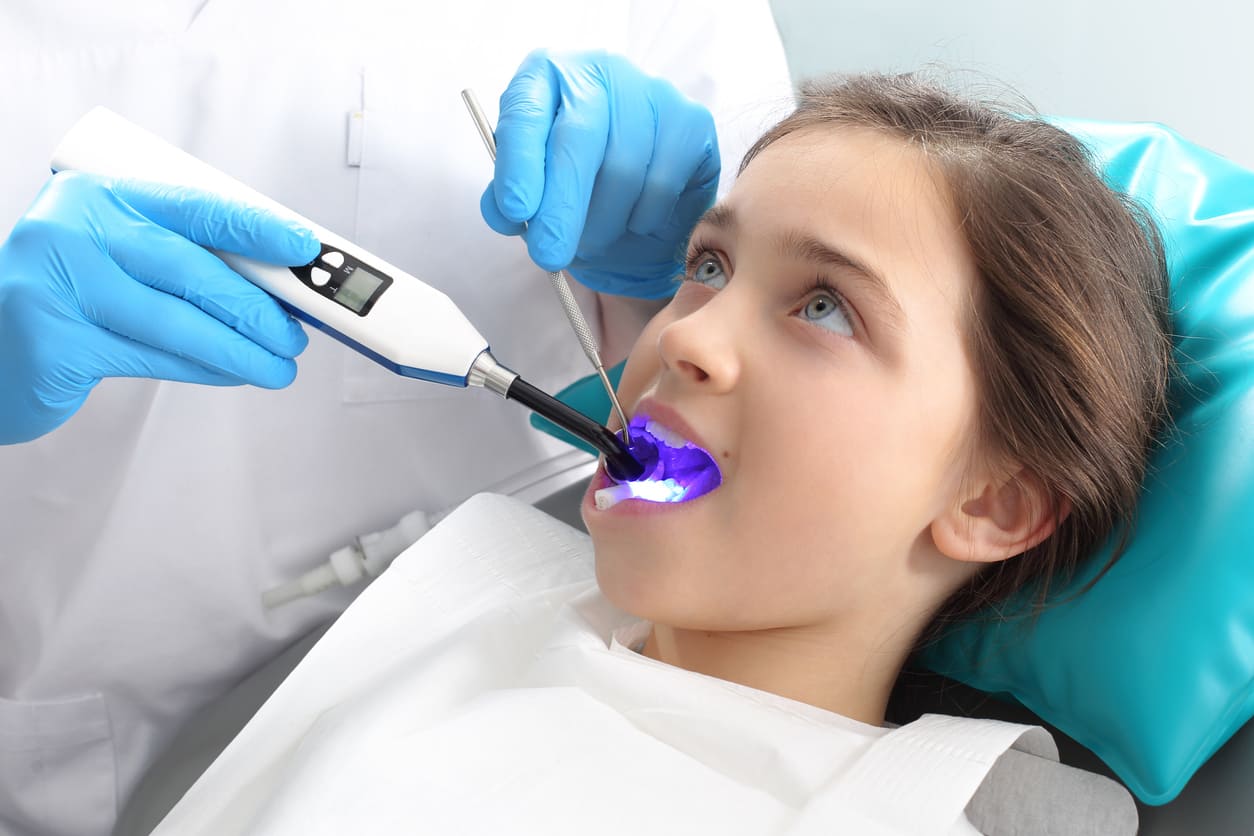
In dentistry, these concentrated beams of light are harnessed to perform a variety of procedures. Dental lasers come in various types, each with a specific wavelength optimised for interacting with different oral tissues.
Here’s the key concept: When the laser beam interacts with targeted tissue in the mouth, the light energy is absorbed. This absorption can cause several effects depending on the laser type and its specific settings. Some lasers cause targeted tissue vaporisation (removal), while others can stimulate blood clotting (cauterisation) or even promote healing processes.
By utilising these targeted effects, dentists can achieve a high degree of precision when performing procedures. The laser beam’s minimal spread minimises damage to surrounding healthy tissues, potentially leading to reduced bleeding, faster healing times, and less post-operative discomfort for patients.
Beyond the Basics: Different Laser Types for Different Procedures
It’s important to note that there’s not a single “universal” dental laser. Dentists have access to a range of lasers, each with specific characteristics suited for different procedures. Here’s a glimpse into some common types:
Erbium (Er:YAG) lasers:
These lasers excel at ablating (removing) hard tissues like tooth enamel and bone. They’re commonly used for cavity removal, crown lengthening procedures, and gum sculpting.
Carbon dioxide (CO2) lasers:
Known for their ability to vaporise soft tissue with minimal bleeding, CO2 lasers are often used in gum disease treatment, frenectomy procedures, and removing soft tissue lesions.
Diode lasers:
These versatile lasers can be used for both soft and hard tissue procedures. They’re often used for gum disease treatment, pain management associated with canker sores, and low-level laser therapy to promote healing.
Shedding Light on Procedures: How Laser Dentistry Expands Treatment Options
Laser dentistry has opened a new chapter in oral healthcare, offering a diverse range of procedures that leverage the precision and unique properties of lasers. Let’s delve deeper into some common applications of laser dentistry and explore how this technology benefits patients.
1. Gum Disease Treatment: Precise Targeting for Optimal Results
Traditional gum disease treatment often involves scaling and root planing, which can be uncomfortable for some patients. Laser dentistry offers a less invasive option. Periodontists (gum specialists) can utilise lasers to precisely remove infected gum tissue and target bacteria lurking deep within pockets around the teeth. This minimally invasive approach can minimise bleeding and discomfort compared to traditional methods. Lasers can also be used to reshape healthy gum tissue, creating a more aesthetically pleasing smile for patients with gummy smiles or uneven gum lines.
2. Combating Cavities: Minimally Invasive Approach to Restoring Teeth
Gone are the days of the dreaded dental drill. Laser dentistry offers a more comfortable alternative for removing tooth decay. Erbium lasers, specifically designed to interact with hard tissues like tooth enamel, can precisely remove cavities with minimal impact on surrounding healthy tooth structure. This targeted approach can often eliminate the need for anaesthesia, reducing discomfort for patients, especially those with dental anxiety. Additionally, laser ablation (removal) of decay can sometimes sterilise the area, potentially reducing the risk of future decay.
3. Frenectomy: A Gentle Touch for Addressing Tongue or Lip Ties
A frenulum is a small piece of tissue that connects your tongue or lip to your gum. In some cases, a frenulum can be too tight, causing speech impediments or affecting breastfeeding in infants. Traditionally, frenectomy procedures involved scalpels and sutures. Laser dentistry offers a more comfortable and potentially faster healing approach. Dentists can use lasers to precisely remove the frenulum with minimal bleeding and discomfort. The laser’s cauterising effect can also help reduce the need for stitches, promoting faster healing times.
4. Soothing the Pain: Laser Therapy for Canker Sores and Cold Sores
Canker sores and cold sores can be a source of pain and irritation. Laser therapy offers a potential solution. Low-level diode lasers can be used to target these lesions, promoting healing and reducing inflammation. The laser’s biostimulatory effect is believed to accelerate tissue repair and potentially shorten the lifespan of these mouth sores, offering patients faster relief from discomfort.
5. Brighter Smiles: Enhanced Teeth Whitening with Laser Technology
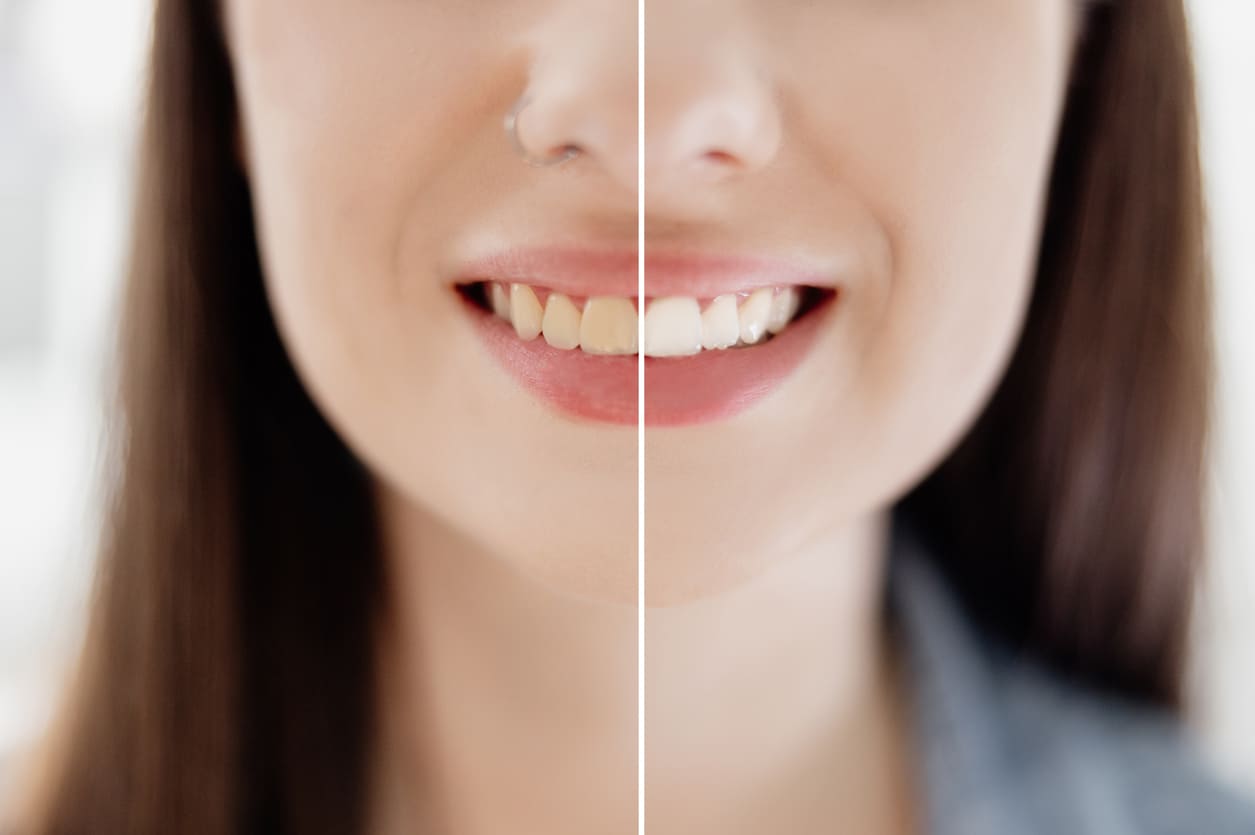
Laser dentistry can even elevate your smile’s brilliance. In-office teeth whitening procedures often utilise laser light to activate whitening agents. The laser’s energy can accelerate the penetration of the whitening agent into tooth enamel, leading to faster and potentially more dramatic whitening results compared to traditional methods. This can be a great option for patients seeking a quick and noticeable improvement in their smile’s appearance.
These are just a few examples of how laser dentistry is transforming dental care. As the technology continues to evolve, we can expect to see even more innovative applications emerge, providing patients with a wider range of comfortable and effective treatment options.
Ensuring Safety: A Look at Laser Dentistry Protocols
Laser dentistry offers a compelling array of advantages – from minimising discomfort to promoting faster healing. But with any new technology, questions about safety naturally arise. Let’s explore the safety profile of laser dentistry and explore the precautions taken to ensure a positive patient experience.
The Science of Safety: Understanding Laser Classifications and Safety Protocols
Dental lasers are classified based on their potential for causing harm. This classification system helps ensure proper use and safeguards patients and dental professionals. Class 1 lasers, for instance, pose minimal risk and are often found in everyday devices like barcode scanners. In contrast, Class 4 lasers are high-powered and require extensive safety measures due to their potential to cause serious tissue damage.
Dental practices typically utilise Class 3B or Class 4 lasers. These classifications indicate the need for strict safety protocols to be followed. Here are some key safety measures employed in laser dentistry:
Protective Eyewear:
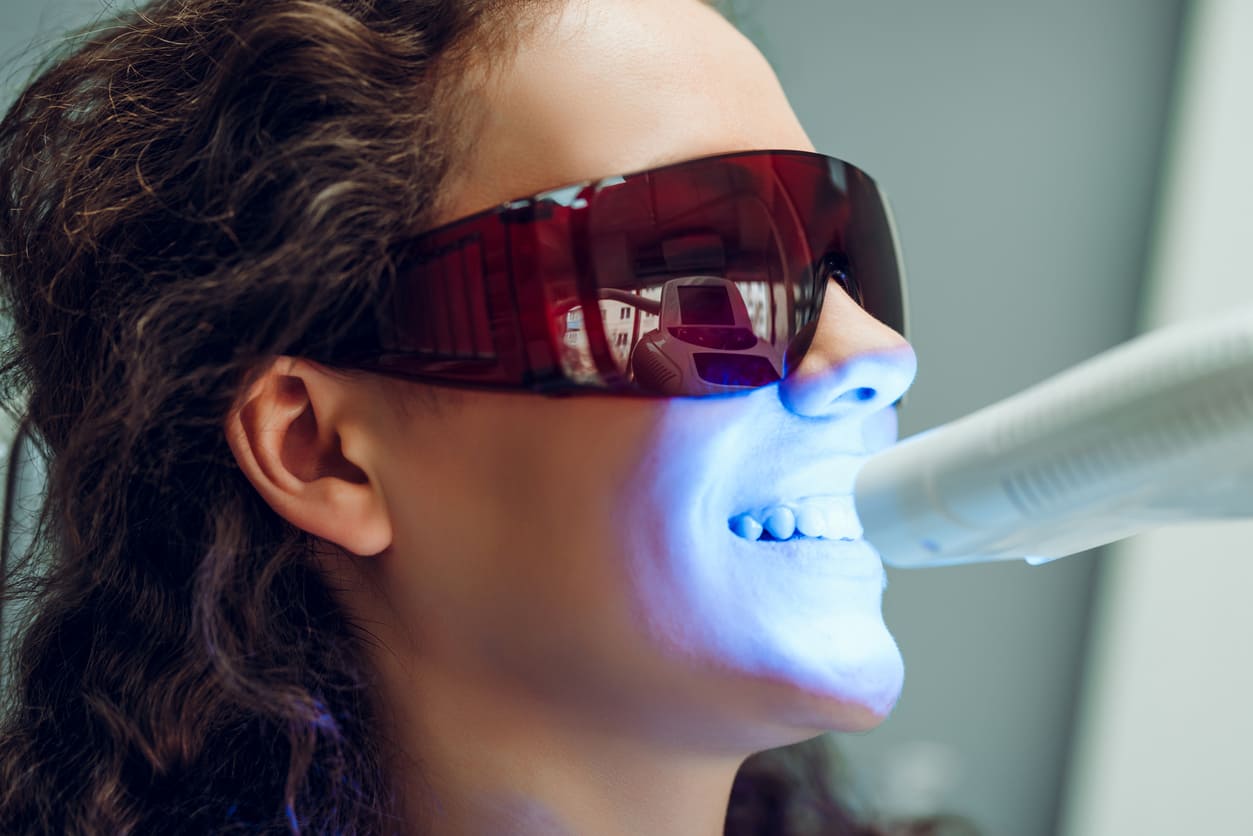
Both patients and dental professionals wear specialised eyewear that blocks specific wavelengths of laser light, shielding their eyes from potential injury.
Controlled Areas:
Procedures involving lasers are often performed in designated areas with limited access to minimise the risk of accidental exposure for those not directly involved.
Proper Training:
Dentists and their staff undergo comprehensive training on laser safety protocols, including proper use of the equipment and emergency procedures.
Tissue-Specific Settings:
Lasers are calibrated with specific settings tailored to the targeted tissue and the desired effect. This helps ensure precise treatment and minimises the risk of unintended damage.
Continuous Monitoring:
During laser procedures, vital signs and tissue interaction with the laser are monitored to ensure patient safety.
Potential Risks and Considerations
While laser dentistry is generally considered safe, it’s important to have a conversation with your dentist about any potential risks or limitations specific to your situation. Some factors to consider include:
Underlying Medical Conditions:
Certain medical conditions may make laser dentistry less suitable. For instance, patients with pacemakers may require special precautions.
Pregnancy:
The safety of laser dentistry during pregnancy is still being researched. It’s best to discuss this with your dentist and obstetrician to determine the most appropriate course of treatment.
Realistic Expectations:
While laser dentistry can offer faster healing and reduced discomfort, it’s not a panacea. The success and comfort level during procedures can depend on various factors, including the complexity of the treatment and individual patient response.
Open Communication is Key
By openly discussing your medical history, concerns, and desired outcomes with your dentist, you can make an informed decision about whether laser dentistry is right for you. A qualified dentist will thoroughly explain the procedure, potential risks and benefits, and answer any questions you may have.
Laser Dentistry: A Safe and Effective Path to Optimal Oral Health

Laser dentistry is an innovative way to take care of your teeth that promises to be more comfortable, precise and potentially faster than traditional methods. While safety is always the top priority, laser dentistry is supported by strict protocols and ongoing research. By having an honest conversation with your dentist and understanding your unique needs, you can decide if laser dentistry is the right choice for you to achieve a healthier and brighter smile.
Is Laser Dentistry Right for You? Find Out at Adelaide DentalCare
Laser dentistry is a rapidly evolving field, and consulting with your dentist is the best way to determine if it’s the right option for you. Here at Adelaide DentalCare, we understand that navigating new dental technologies can feel overwhelming. That’s why we take pride in offering a comprehensive consultation process where you can discuss your oral health goals and any questions you may have about laser dentistry.
With a long-standing legacy of expertise and a commitment to patient comfort, Adelaide DentalCare is dedicated to providing you with the most up-to-date and personalised dental care possible. We offer a full range of services, from preventative care to advanced procedures, all delivered with a gentle touch and a focus on minimising future dental needs. Experience the difference at Adelaide DentalCare – contact us today at (08) 8125 7350 or book online to schedule your consultation and explore the possibilities of laser dentistry for a brighter, healthier smile!
Organise your next appointment today
Contact our friendly team for more information, or book directly online to arrange your next visit.